June 22, 2026
Black is not a single finish. Matte, satin and gloss black reflect light differently, mark differently and need different care. This guide compares the three black finishes side by side, covers real durability, fingerprints and cleaning, and the UK rules on a colour change.

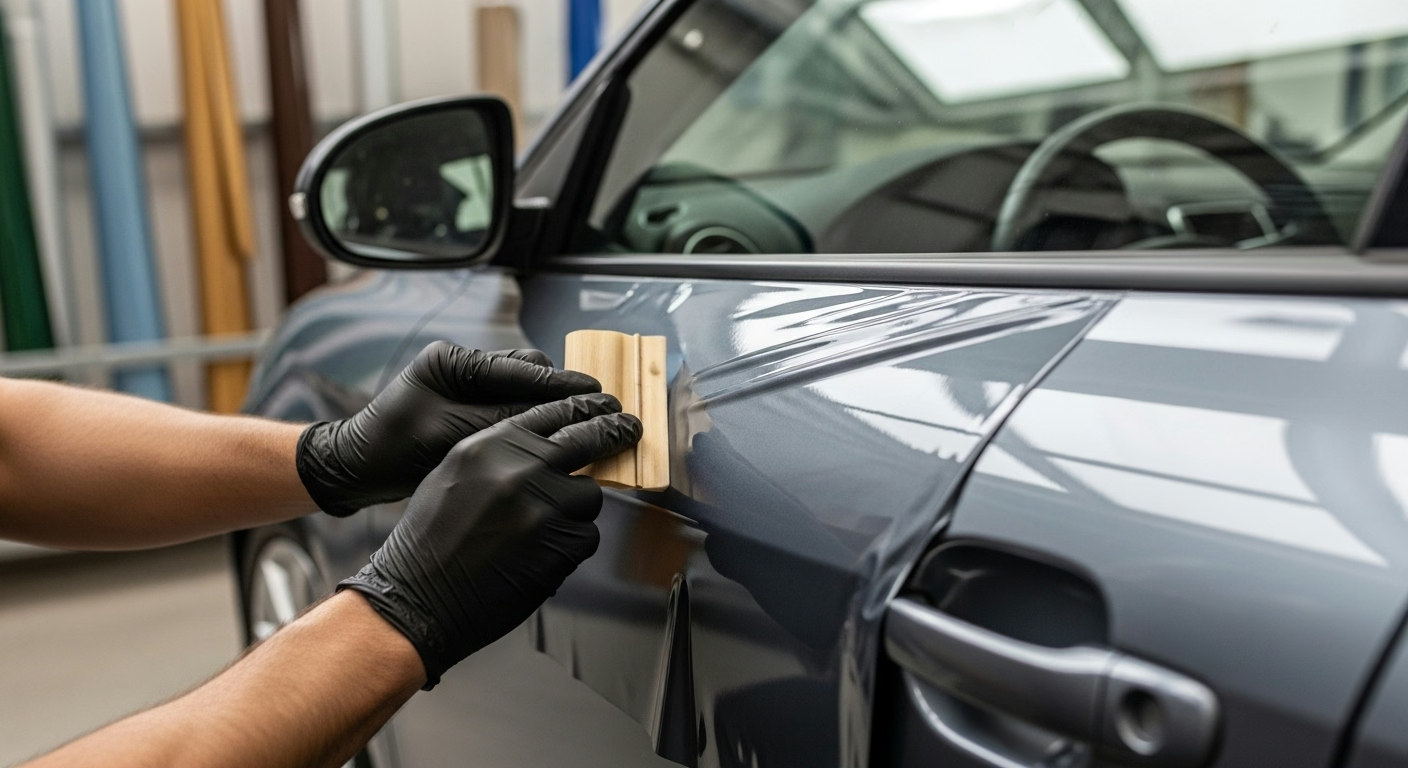
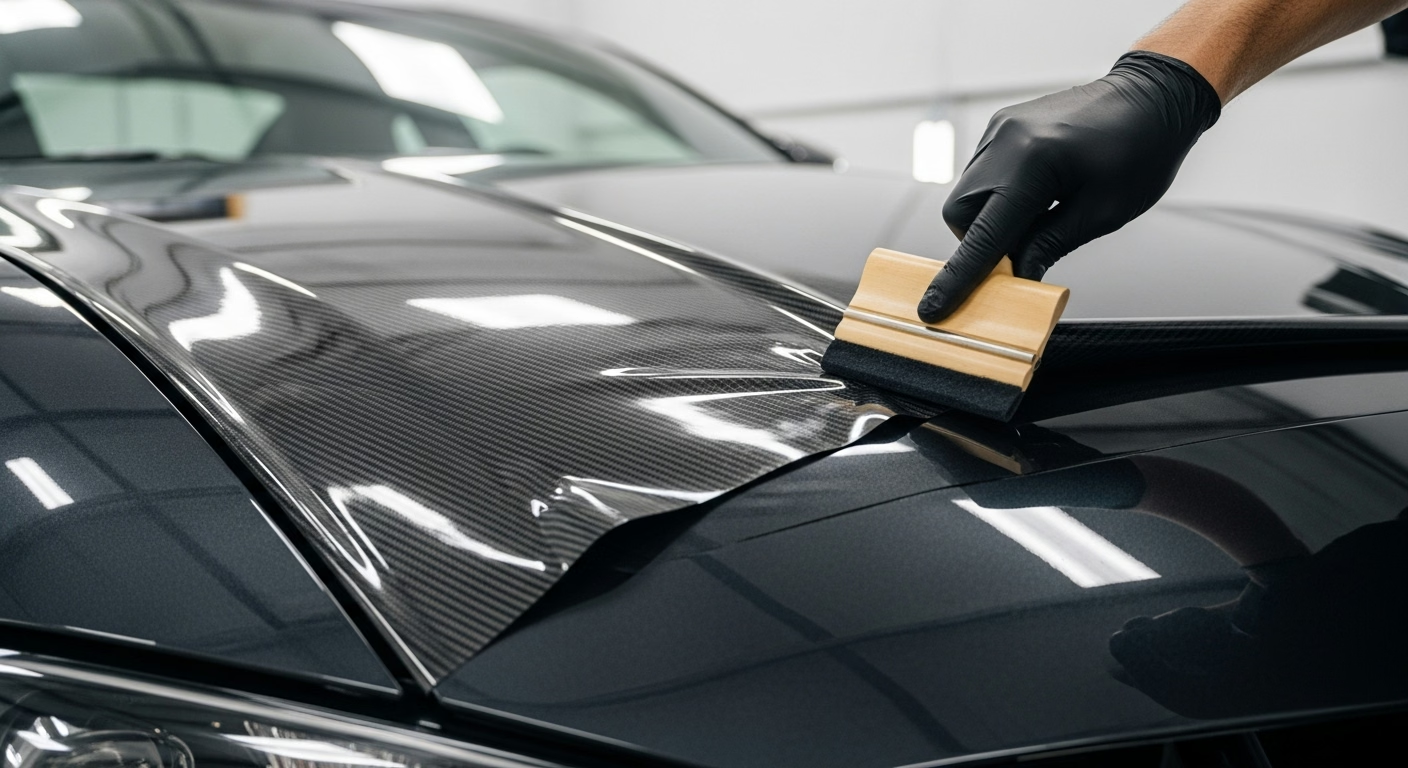
A matte black vehicle wrap turns an ordinary body panel into a flat, light-absorbing surface that reads very differently from factory paint. The finish has moved from a niche show-car look to a common request on private cars, executive saloons and company fleets, because it signals a deliberate, understated style without the cost or permanence of a respray.
The catch is that black is not a single finish. Matte, satin and gloss black each reflect light in their own way, mark differently in daily use and need a different cleaning routine. A buyer who treats them as interchangeable often ends up disappointed by fingerprints on a flat matte panel or by uneven shine after the wrong product is used.
This guide compares matte, satin and gloss black side by side, sets out how long each finish lasts, explains why a matte surface shows marks and fingerprints, and details the day-to-day care that keeps the film even. It also covers the cost drivers and the UK rules that apply when a vehicle changes colour. For the wider context, a separate article explains what a vehicle wrap involves from start to finish.
The defining feature of a matte black vehicle wrap is the way the surface handles light. A gloss panel reflects light in a single direction and returns a mirror-like image, while a matte panel scatters light across many angles and returns almost no reflection. This diffuse scattering is what produces the flat, chalk-soft appearance, and it is the same optical principle that defines gloss as an optical property of a surface.
Because the matte film hides reflections, it also hides the highlights that normally trace the curves of a body panel. That can flatter a sculpted shape, but it removes the visual cues that disguise small dents and ripples, so a matte black wrap rewards a panel that has been properly prepared before fitting. The film itself is a printable or coloured polymer, most often a plasticised polyvinyl chloride calendered or cast into a thin sheet.
A matte black wrap differs from matte black paint in one practical respect: it is reversible. The film is applied over the original paint and can be removed later, which preserves the factory finish underneath and protects resale value. The trade-off is that the surface behaves like a film rather than a hard lacquer, which shapes everything from cleaning to longevity.
The three black finishes share the same base colour but occupy different points on the gloss scale. The choice usually comes down to how much shine the owner wants, how much daily marking is acceptable and how much maintenance time is realistic.
A flat matte black returns the least reflection and gives the strongest stealth look. It suits buyers who want the surface to read as a solid block of colour with no highlights. The same lack of reflection that creates the effect also makes the surface the most sensitive to fingerprints, water spots and uneven cleaning, so it asks the most of the owner in upkeep.
Satin black sits between matte and gloss. It carries a soft sheen that catches a little light along a panel edge without becoming a mirror. In practice satin is often the pragmatic middle ground: it keeps much of the understated character of matte while shedding dirt and resisting marks more readily, which makes it a frequent choice on vehicles in regular use.
Gloss black returns a deep, wet-looking reflection that emphasises curves and bodylines. It is the most marking-tolerant of the three, because a smooth glossy surface releases dirt and fingerprints more easily and can be cleaned with a wider range of products. The visual trade-off is that gloss black shows swirl marks and scratches more clearly than a matte surface does.
The underlying material grade matters as much as the finish. The distinction between cast and calendered film, explained in detail in the article on cast and calendered vinyl films, governs how well any of these blacks conforms to curves and how long it survives outdoors. Calendered sheet is produced by the calendering process, while cast film is poured and tends to be thinner and more dimensionally stable.
Durability depends on three factors: the grade of film, the level of sun exposure and the care routine. A professionally fitted cast film in matte black typically lasts five to seven years in daily outdoor use, while a calendered film aimed at shorter campaigns sits nearer three to four years before the finish begins to fade or lift.
Sunlight is the main ageing agent. Continuous exposure to ultraviolet radiation breaks down polymers over time, which is why quality films carry ultraviolet stabilisers and why a vehicle kept under cover ages more slowly. A matte black finish can look slightly different as it weathers, because surface wear gradually changes how evenly the film scatters light.
Black also runs warmer than pale colours, since a dark surface absorbs more solar energy. That heat load adds a little stress to the adhesive over a long, hot summer, which is one more reason a matte black wrap benefits from a film designed for exterior automotive use rather than a short-term grade.
The most common complaint about a flat matte black wrap is fingerprints. The cause is straightforward: a matte surface owes its appearance to a fine micro-texture that scatters light, and when skin oil or grease fills that texture it creates a small patch of localised shine. The mark is not damage to the film, it is a temporary change in how that spot reflects light.
This is why door handles, the tailgate edge, the bonnet lip and the area around the fuel flap show marks first. A satin or gloss finish disguises the same contact far better, because its surface is already smoother and more reflective. On a matte panel the contrast between a clean area and a touched area is simply more visible.
Most fingerprints and grease marks lift with a gentle wash using a matte-safe shampoo. Heavier contamination such as fuel splash, tar or insect residue should be removed promptly, because solvents left to dwell can stain a matte film permanently. A driver who handles a matte black vehicle with clean hands and washes contact points regularly keeps the finish looking even.
Matte film care differs from paint care in one key rule: nothing that adds gloss should touch the surface. Wax, polish, traditional quick-detailer sprays and cutting compounds all create uneven shine on a matte finish and can leave a haze that is difficult to reverse. Maintenance relies instead on cleaners formulated for matte and satin films.
A matte black wrap also tolerates regular hand washing better than infrequent heavy cleaning. Frequent gentle washes keep contact marks from building up, while a long gap followed by aggressive scrubbing is the routine most likely to damage the finish. The principle is the same one that applies to a white vehicle wrap, where finish type dictates the cleaning method.
A matte black wrap is usually priced in line with other solid colours rather than at the premium of a colour-shift or chrome film, which makes it one of the more accessible ways to change a vehicle entirely. The final figure depends on the size and shape of the vehicle, the grade of film and the amount of panel preparation and trim removal needed for a clean result. The dedicated guide to the cost of a vehicle wrap sets out the ranges in detail.
Longevity is part of the cost calculation. A higher grade cast film costs more at fitting but lasts longer and removes more cleanly, which protects the paint underneath and reduces the risk of adhesive residue at the end of life. For a fleet, that whole-life view matters more than the headline price, because a finish that needs early replacement multiplies cost across every vehicle.
A full matte black wrap changes the registered colour of a vehicle, and that change has to be reported. The keeper notifies the change of colour to the licensing authority using the registration certificate, following the official process for how to change vehicle details on a registration certificate and the related guidance on how to tell the licensing authority.
A wrap must not obscure the number plates or required lighting. The rules on displaying number plates require them to stay clearly legible, and the Road Vehicles Lighting Regulations govern lamps and reflectors that a wrap must leave uncovered. A finish that hides a lamp or a plate can lead to a failed MOT test.
Insurance is the other consideration. A change of appearance is a modification that should be declared to the insurer, because an undeclared change can affect a claim. General guidance on car modifications and insurance explains the principle, and a separate note on how cover can be invalidated by undeclared changes shows why disclosure matters. Wider legal background on vehicle changes is collected in the motoring legal advice section, and the comparison with protective options is covered in a guide to paint protection film. A wrap is sometimes used as an outdoor advertising surface, a use described under wrap advertising.
A matte black finish connects to several services offered by Brands And Markets. For a vehicle that also needs logos, contact details or a registration mark added over the wrap, the page on vehicle lettering and decals sets out how text and graphics sit on a matte surface.
For a fleet or a manufacturer launch where a consistent matte black has to be reproduced across many vehicles, the approach to range animation and special editions describes how a finish is standardised at scale. A structured project can be scoped quickly through the online configurator, which turns a finish and vehicle choice into an indicative quote.
A matte black vehicle wrap delivers a flat, understated look that no other finish matches, but it asks for the most disciplined care of the three black options. The flat surface that scatters light is the same surface that shows fingerprints and reacts to the wrong cleaning product, so the result depends as much on the maintenance routine as on the film itself.
For a buyer weighing the options, the practical decision is a balance between appearance and upkeep: flat matte for maximum stealth, satin for a softer sheen with easier care, and gloss for the lowest maintenance. Comparing film grades and requesting a clear quote through the online configurator turns that preference into a realistic budget and a durable result.
A professionally fitted matte black wrap in a quality cast film usually lasts five to seven years in daily outdoor use. A calendered film intended for shorter campaigns sits nearer three to four years before fading or lifting begins. The main variables are sun exposure, since ultraviolet light gradually breaks down the polymer, and the care routine, since frequent gentle washing slows wear. A vehicle parked under cover ages more slowly than one left in full sun, and a dark surface runs warmer, which adds a little stress to the adhesive over a hot summer.
A flat matte black shows fingerprints and grease marks more readily than satin or gloss. The matte appearance comes from a fine micro-texture that scatters light, and when skin oil fills that texture it creates a small patch of localised shine. The mark is a temporary change in reflection rather than damage to the film. Contact points such as door handles, the tailgate edge and the fuel flap show marks first. Most fingerprints lift with a gentle wash using a matte-safe shampoo, and handling the surface with clean hands keeps the finish looking even.
Wax and polish are not used on a matte finish. Both are designed to add gloss, so on a flat surface they create uneven shine and a haze that is difficult to reverse, and some products can stain the film. Cutting compounds and traditional quick-detailer sprays carry the same risk. Maintenance relies instead on cleaners formulated specifically for matte and satin films, applied with a soft microfibre cloth. Tar, fuel and insect residue should be removed promptly with a matte-safe product, because solvents left to dwell on a flat finish can mark it permanently.
Gloss black is the easiest of the three to keep clean and the most tolerant of contact marks, because a smooth, reflective surface releases dirt and fingerprints more readily and accepts a wider range of cleaning products. Satin black sits in the middle, keeping much of the understated look while shedding marks better than a flat finish. A true matte black is the most demanding, since its light-scattering texture reveals fingerprints, water spots and uneven cleaning. The visual trade-off is that gloss shows swirl marks and scratches more clearly than matte does.
Prêt à transformer votre projet ? Discutons de vos besoins et de la manière dont nous pouvons collaborer.
Adresse : 28 rue Fresnel – F-78310 COIGNIERES
Téléphone : 01 85 40 01 75